
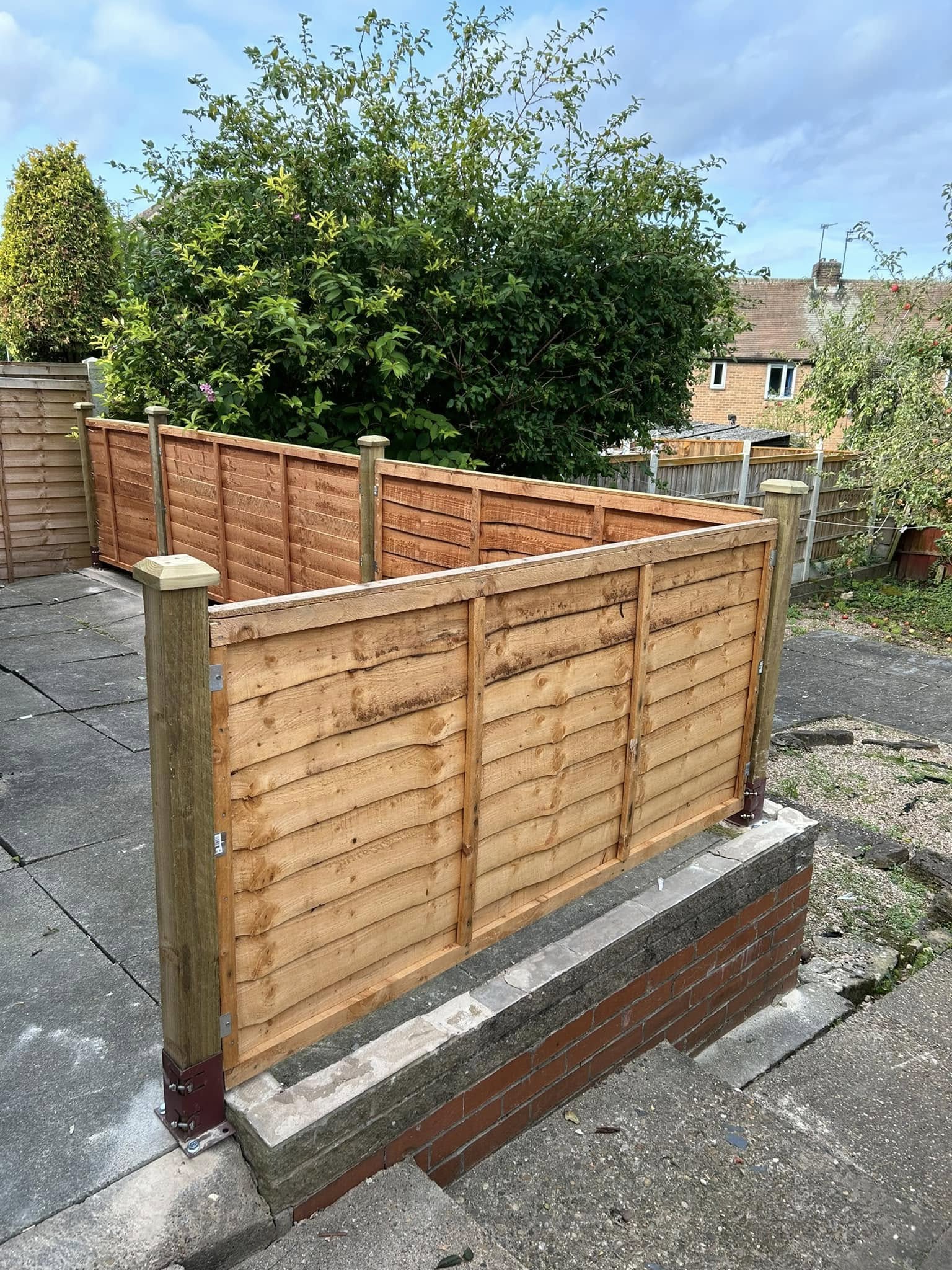
Many people use the terms carpenter and joiner interchangeably, assuming they describe the same trade. While both professionals work with timber and require excellent woodworking skills, their roles, expertise, and working environments are quite different.
Understanding these differences can help you choose the right specialist for your project, whether you’re planning a home renovation, installing bespoke furniture, or improving your property’s interior. In this guide, we’ll explain carpenter vs joiner: what’s the difference?, explore the types of work each professional undertakes, and highlight when you should hire one over the other.
We’ll also answer common questions about joinery and carpentry to clear up any confusion. At Craig Smith Joinery, we provide bespoke joinery and cabinetry solutions for homeowners across Nottinghamshire, delivering expertly crafted timber features that combine practicality, durability, and outstanding attention to detail.
What Is a Joiner?
A joiner is a skilled woodworking professional who specialises in crafting timber products with precision before they are installed in a property. Unlike carpenters, who typically work on-site, joiners usually carry out their work in a workshop using specialist machinery and tools to manufacture high-quality wooden components.
Their expertise focuses on creating bespoke items that are made to exact measurements and tailored to suit individual spaces and design preferences. Whether producing custom cabinetry, elegant staircases, fitted wardrobes, or handcrafted furniture, a joiner combines technical knowledge with craftsmanship to achieve a flawless finish. Their work requires accuracy, careful planning, and a deep understanding of different timber types and construction methods.
For homeowners looking for custom-made woodwork that enhances both functionality and appearance, a professional joiner offers the skills needed to produce lasting, beautifully finished pieces.
What Does a Joiner Do?
A joiner designs and manufactures wooden products that are built with precision and attention to detail. Most joinery work takes place in a fully equipped workshop, where advanced machinery allows timber to be cut, shaped, assembled, and finished with exceptional accuracy. Joiners produce bespoke items that are tailored to each client’s requirements, ensuring every piece fits perfectly within the intended space.
Their work often involves interpreting detailed plans, selecting suitable materials, and using traditional craftsmanship alongside modern techniques to create durable, high-quality products. Because much of the manufacturing is completed before installation, joiners can focus on achieving clean joints, smooth finishes, and consistent quality throughout every project. This combination of technical expertise and bespoke craftsmanship makes joiners the preferred choice for homeowners seeking customised timber features that add character and value to their property.
Common Joinery Projects
Joiners create a wide range of bespoke timber products designed to improve both the functionality and appearance of a home. Common projects include fitted wardrobes, bespoke cabinets, shelving units, handcrafted furniture, and custom kitchen cabinetry that maximise available space while reflecting the homeowner’s style.
They also manufacture internal doors, timber windows, and beautifully crafted staircases that combine structural integrity with attractive design. Many joiners specialise in creating one-of-a-kind storage solutions, media walls, alcove units, and other fitted furniture tailored to individual properties. Each project is carefully measured, built, and finished to ensure a precise fit and long-lasting performance.
Whether producing a single custom cabinet or completing an entire house of bespoke joinery, the emphasis remains on quality workmanship, durable materials, and meticulous attention to detail, resulting in timber features that are both practical and visually appealing.
What Is a Carpenter?
A carpenter is a skilled tradesperson who primarily works on construction sites, installing and assembling timber products within residential and commercial properties. While joiners typically manufacture wooden components in a workshop, carpenters focus on fitting, repairing, and constructing timber features on-site.
Their work often involves interpreting building plans, measuring materials accurately, and ensuring every installation meets structural and safety requirements. Carpenters contribute to both new-build developments and renovation projects, carrying out tasks that range from structural framing to finishing woodwork. They work closely with builders, architects, and other trades to ensure timber elements are installed correctly and function as intended.
Whether constructing roof frameworks, fitting doors, laying flooring, or building stud walls, carpenters play a vital role in bringing construction projects to completion through practical expertise, precision, and high-quality workmanship.
What Does a Carpenter Do?
A carpenter is responsible for constructing, installing, and repairing a wide variety of timber structures directly on-site. Their work begins with reading technical drawings, measuring spaces accurately, and preparing materials before carrying out installations.
Carpenters fit pre-manufactured timber products such as doors, flooring, staircases, skirting boards, and window frames, while also building structural components including roof frameworks, timber partitions, and floor systems. Because they work within active construction environments, carpenters must adapt to varying site conditions while ensuring every installation meets building regulations and quality standards.
Their role requires practical problem-solving, excellent craftsmanship, and the ability to work efficiently alongside other trades. By combining technical skill with hands-on experience, carpenters ensure timber structures are safely installed, durable, and finished to a professional standard.
Common Carpentry Projects
Carpenters undertake a broad range of on-site timber construction and installation projects that form an essential part of residential and commercial buildings. Common carpentry work includes constructing roof structures, erecting timber framing, installing stud walls, fitting internal and external doors, laying timber or laminate flooring, and fixing skirting boards and architraves. Many carpenters also build decking, pergolas, and other outdoor timber structures that enhance external living spaces.
Their expertise extends to renovation work, repairs, and alterations where existing timber features need replacing or upgrading. Every project requires careful measuring, precise fitting, and attention to structural integrity to ensure long-lasting results. Whether working on a new-build property or improving an existing home, carpenters provide the practical installation skills needed to complete timber construction safely and professionally.
What Is the Difference Between a Carpenter and a Joiner?
The main difference between a carpenter and a joiner lies in where they work and the type of work they perform. Joiners are primarily workshop-based specialists who manufacture bespoke timber products using precision machinery, while carpenters install and assemble those products on-site as part of construction or renovation projects.
Although both professions require advanced woodworking knowledge and many shared skills, their day-to-day responsibilities differ significantly. Joiners focus on producing accurately crafted timber items such as cabinetry, staircases, windows, and fitted furniture, whereas carpenters specialise in structural work, timber installation, and finishing tasks within completed or developing buildings.
In many projects, the two trades work together to achieve the best results, with joiners creating custom-made components and carpenters ensuring they are expertly fitted. Understanding these differences helps homeowners choose the right professional for their specific project requirements.
Workshop vs On-Site Work
One of the biggest distinctions between a joiner and a carpenter is their working environment. Joiners typically spend most of their time in a workshop, where they use specialist machinery to manufacture timber products with exceptional precision.
This controlled environment allows them to create bespoke furniture, cabinetry, staircases, doors, and other custom components to exact measurements. Carpenters, on the other hand, work mainly on construction sites or within residential and commercial properties, installing and assembling these products as part of a building project.
Their work often involves adapting to site conditions, ensuring installations fit perfectly, and completing structural or finishing timber work. While joiners concentrate on manufacturing, carpenters focus on installation, making both roles equally important in delivering high-quality woodworking projects.
Types of Projects
Although both trades work with timber, the projects they undertake are often quite different. Joiners usually specialise in producing bespoke items that require precision craftsmanship, including fitted wardrobes, custom cabinets, shelving, staircases, internal doors, windows, and handcrafted furniture.
Their work is centred around manufacturing products that are tailored to individual spaces and design preferences. Carpenters, by contrast, focus on structural timber work and on-site installations such as roof construction, timber framing, flooring, decking, stud walls, and finishing details like skirting boards and door fitting. In many home improvement projects, both professionals contribute their expertise.
A joiner may create a bespoke staircase or fitted cabinet, while a carpenter installs it securely within the property. Together, they ensure both craftsmanship and installation quality are delivered to a high standard.
Tools and Equipment
The tools used by joiners and carpenters reflect the different environments in which they work. Joiners rely heavily on large, specialist workshop machinery such as table saws, spindle moulders, thickness planers, and CNC equipment to cut, shape, and assemble timber with exceptional accuracy.
These machines enable them to produce detailed, bespoke components efficiently while maintaining consistent quality. Carpenters, however, depend mainly on portable tools that can be transported easily between job sites. Their equipment commonly includes circular saws, mitre saws, drills, nail guns, routers, spirit levels, and hand tools for measuring, cutting, and fitting timber on-site.
While both professionals use many traditional woodworking techniques, their choice of tools is determined by whether they are manufacturing custom products or installing them within a completed structure.
Skills and Training
Carpenters and joiners share a strong foundation in woodworking, including measuring accurately, reading technical drawings, selecting suitable materials, and understanding timber construction methods. However, each trade develops specialist skills suited to its specific responsibilities.
Joiners receive extensive training in precision manufacturing, fine woodworking, and producing bespoke timber products using advanced workshop machinery. Their work demands meticulous attention to detail to achieve perfect joints and high-quality finishes. Carpenters, meanwhile, focus on structural construction, site safety, installation techniques, and adapting timber components to real-world building conditions.
They must also understand building regulations and work effectively alongside other construction professionals. Although their specialisms differ, both trades require years of training, practical experience, and a commitment to delivering safe, durable, and expertly crafted timber work.
How Joinery Differs from Carpentry
Although the terms are closely related, joinery and carpentry describe two different areas of woodworking rather than two different people. Joinery focuses on the precision manufacturing of timber products, while carpentry centres on constructing, fitting, and installing those products within a property. Joinery work is generally completed in a workshop where specialist machinery is used to create bespoke items such as cabinetry, staircases, windows, doors, and fitted furniture. Carpentry, by contrast, takes place on-site and involves assembling structural timber, installing joinery products, and completing finishing work as part of a building or renovation project. The two trades often overlap because they both require strong woodworking knowledge, accurate measuring, and skilled craftsmanship.
On many projects, joinery and carpentry complement one another, combining precision manufacturing with expert installation to produce durable, attractive, and practical timber features for homes and commercial properties.
Is Carpentry and Joinery the Same?
Although carpentry and joinery share many similarities, they are not the same trade. Both involve working with timber, using specialist tools, and producing high-quality woodwork, which is why many people use the terms interchangeably.
However, the primary distinction lies in the type of work performed and where it takes place. Joinery is largely concerned with manufacturing bespoke timber products in a workshop, while carpentry focuses on installing, assembling, and constructing those products on-site. Both professions require excellent craftsmanship, technical knowledge, and practical experience, but each has its own area of expertise.
Understanding the differences makes it easier to choose the right professional for your project, whether you need custom-made cabinetry, fitted furniture, structural timber work, or expert installation as part of a home improvement or construction project.
Why People Use the Terms Interchangeably
People often refer to carpenters and joiners as though they perform the same job because both trades involve working with wood and require many of the same core skills. Professionals in both fields learn how to measure accurately, read technical drawings, select suitable timber, and use a wide range of woodworking tools.
They also follow similar training routes and apprenticeships, building practical experience throughout their careers. In many projects, homeowners see both professionals contributing to the finished result, making it easy to assume their roles are identical.
Additionally, some tradespeople possess experience in both joinery and carpentry, further blurring the distinction. Despite these similarities, each trade has its own specialist focus and responsibilities.
Key Differences to Remember
The easiest way to distinguish between the two trades is to remember that joinery is primarily about manufacturing timber products, while carpentry is about installing and constructing them on-site. A joiner typically creates bespoke items such as fitted wardrobes, cabinetry, staircases, internal doors, and furniture within a workshop using specialist machinery. A carpenter then installs these products, along with carrying out structural timber work, flooring, roof construction, decking, and other building-related tasks.
If your project requires custom-made woodwork designed specifically for your property, a joiner is usually the right choice. If you need timber features fitted, repaired, or constructed as part of a building project, a carpenter is generally the most suitable professional. Many larger projects benefit from the expertise of both trades working together.
Do Joiners and Carpenters Work Together?
Joiners and carpenters frequently work together to deliver high-quality construction and renovation projects. Rather than replacing one another, their skills complement each other throughout the different stages of a project. A joiner may manufacture bespoke timber products such as staircases, fitted wardrobes, cabinetry, internal doors, or custom shelving within a workshop, ensuring every component is crafted to precise measurements.
Once these items are complete, a carpenter installs them on-site, making any necessary adjustments to achieve a perfect fit and ensuring they integrate seamlessly with the surrounding structure. This collaboration is common in home renovations, extensions, loft conversions, kitchen refurbishments, and new-build properties.
By combining precision manufacturing with expert installation, joiners and carpenters help create durable, functional, and beautifully finished timber features that enhance both the appearance and value of a property.
Is Joinery More Difficult Than Carpentry?
It’s impossible to say that one trade is universally more difficult than the other because both require different skills and levels of expertise. Joinery demands exceptional precision, patience, and attention to detail, as bespoke timber products must be manufactured accurately to ensure they fit perfectly once installed.
Carpenters, on the other hand, face the challenges of working on-site, where changing conditions, structural requirements, and coordination with other trades can make projects more complex. Both professions require technical knowledge, problem-solving abilities, and years of practical experience to master. The difficulty often depends on the type of project rather than the trade itself.
A handcrafted staircase may test a joiner’s precision, while constructing a roof framework or fitting timber within an older property may present unique challenges for a carpenter. Ultimately, experience, training, and craftsmanship matter far more than deciding which profession is harder.
Is Carpentry or Joinery More Expensive?
The cost of carpentry or joinery depends on the specific project, the materials selected, the amount of labour involved, and the overall complexity of the work. Standard carpentry tasks such as fitting doors, laying flooring, or installing skirting boards are often more affordable because they involve installing pre-manufactured products. Bespoke joinery, however, generally comes at a higher cost due to the time, craftsmanship, and specialist equipment required to design and manufacture custom-made timber features. Projects such as fitted wardrobes, handcrafted cabinetry, bespoke staircases, and custom furniture require careful planning and precision manufacturing before installation can even begin.
While bespoke joinery may require a larger initial investment, it often provides greater long-term value through superior quality, improved durability, a perfect fit, and designs tailored specifically to your home. The right choice ultimately depends on your project’s goals and budget.
Should You Study Carpentry or Joinery?
Choosing between carpentry and joinery depends on the type of work you enjoy and the career you want to build. Both trades offer rewarding opportunities, practical skills, and excellent career prospects within the construction and woodworking industries.
They share a strong foundation in timber craftsmanship, but each focuses on different aspects of the profession. Joinery is ideal for those who enjoy precision manufacturing and creating bespoke timber products, while carpentry is better suited to individuals who prefer hands-on construction and installation work on-site. Before making a decision, it’s worth considering your interests, preferred working environment, and long-term career goals.
Many training programmes provide exposure to both disciplines, helping students develop a broad understanding of woodworking before choosing a specialist path. Whichever route you take, dedication, continuous learning, and practical experience are key to becoming a skilled professional.
Choose Joinery If You Enjoy
Joinery is an excellent choice for people who enjoy detailed craftsmanship and creating bespoke timber products from raw materials. If you take satisfaction in precision work, problem-solving, and producing beautifully finished furniture or cabinetry, a career in joinery may be particularly rewarding. Joiners spend much of their time in a workshop using specialist machinery to manufacture fitted wardrobes, bespoke cabinets, staircases, shelving, windows, doors, and other custom-made items.
This environment suits individuals who appreciate accuracy, careful planning, and working on projects that require a high level of attention to detail. Every piece is designed to fit a specific space, making creativity and precision equally important. For those passionate about woodworking and fine craftsmanship, joinery offers the opportunity to produce unique, long-lasting timber features that combine functionality with exceptional design.
Choose Carpentry If You Enjoy
Carpentry is well suited to people who prefer practical, hands-on work in a variety of construction environments. Carpenters spend most of their time on-site, installing timber products, constructing structural frameworks, and completing finishing work on residential and commercial projects. If you enjoy physical work, solving challenges in real time, and seeing buildings take shape, carpentry can provide a rewarding career path. Typical projects include roof construction, timber framing, flooring installation, stud walls, decking, door fitting, and other structural or finishing tasks. Working outdoors or on active building sites means every day can bring new challenges and opportunities to develop practical skills. For individuals who thrive in dynamic environments and enjoy construction work, carpentry offers a varied career with the chance to contribute directly to high-quality building and renovation projects.
When Should You Hire a Joiner Instead of a Carpenter?
A joiner is the right choice when your project requires bespoke timber products that are designed and manufactured specifically for your property. If you’re looking to maximise space, improve storage, or add unique interior features, a joiner can create custom solutions that perfectly match your home’s dimensions and style.
Popular projects include fitted wardrobes, bespoke cabinetry, media walls, alcove units, custom shelving, staircases, and made-to-measure furniture. Joiners also specialise in high-quality interior woodwork that combines functionality with outstanding craftsmanship. Because each item is built to precise specifications in a workshop before installation, you benefit from a superior finish and a perfect fit.
Whether you’re renovating a single room or transforming your entire home, hiring a joiner ensures your timber features are tailored to your exact requirements while adding lasting value and character to your property.
When Should You Hire a Carpenter?
A carpenter is the best choice when your project involves on-site construction, structural timber work, or the installation of timber components within a building. Carpenters are essential for projects such as home extensions, roof construction, timber framing, decking, floor installation, stud walls, and structural alterations.
They also install pre-manufactured timber products, ensuring everything is fitted safely, accurately, and in accordance with building regulations. Their practical expertise allows them to adapt to different site conditions while working alongside builders and other trades to complete construction projects efficiently.
Whether you’re building a new property, renovating an existing home, or carrying out structural improvements, a carpenter has the knowledge and experience to deliver durable, high-quality workmanship. Hiring the right professional helps ensure every timber element is installed correctly and performs reliably for years to come.
Why Choose Craig Smith Joinery in Nottinghamshire?
At Craig Smith Joinery, we are committed to delivering bespoke joinery solutions that combine exceptional craftsmanship with practical design. Serving homeowners and businesses across Nottinghamshire, we create tailor-made cabinetry, fitted furniture, custom storage, staircases, and a wide range of interior timber features built to suit each client’s individual requirements. Every project is completed using high-quality materials and careful attention to detail, ensuring a finish that is both durable and visually impressive. With years of experience in bespoke joinery, we take pride in producing handcrafted solutions that maximise space, enhance functionality, and complement the character of your property.
From small domestic improvements to larger commercial projects, we provide a personalised service from the initial consultation through to the completed installation. Our focus on quality, reliability, and customer satisfaction makes us a trusted choice for bespoke joinery throughout Nottinghamshire.
Frequently Asked Questions
Is joinery the same as carpentry?
No, joinery and carpentry are closely related but not the same. Joinery focuses on crafting timber products with precision, whereas carpentry involves fitting, assembling, and constructing those products within a property.
Can one person be both a carpenter and a joiner?
Yes, some tradespeople develop experience in both disciplines and can carry out joinery and carpentry work. However, many professionals specialise in one area to provide a higher level of expertise and craftsmanship.
Is joinery more expensive than carpentry?
Bespoke joinery often costs more because every item is custom-made using specialist equipment and skilled craftsmanship. The final price depends on the materials, design complexity, labour, and installation requirements.
Do I need a joiner or a carpenter for fitted wardrobes?
A joiner is usually the best choice for fitted wardrobes because they can design and manufacture bespoke storage that fits your space perfectly. A carpenter may then install the finished units if required.
Can a joiner install the furniture they make?
Yes, many joiners offer both manufacturing and installation services, providing a complete solution from design through to fitting. This helps ensure every piece is installed correctly and finished to a high standard.
Which is better for bespoke furniture?
A joiner is generally the better choice for bespoke furniture because they specialise in designing and crafting custom-made timber pieces. Their expertise ensures furniture is tailored to your exact requirements, style, and available space.
Final Thoughts
Understanding carpenter vs joiner: what’s the difference? makes it much easier to choose the right professional for your project. While both trades involve skilled woodworking, joiners specialise in creating bespoke timber products with precision, whereas carpenters focus on installing and constructing those products on-site.
If you’re looking for custom cabinetry, fitted furniture, staircases, or other handcrafted interior woodwork, Craig Smith Joinery provides bespoke solutions tailored to homes and businesses across Nottinghamshire. With expert craftsmanship, high-quality materials, and a commitment to outstanding results, we’re here to help bring your vision to life.