
Bespoke Joinery Explained: Why Choose Custom-Made
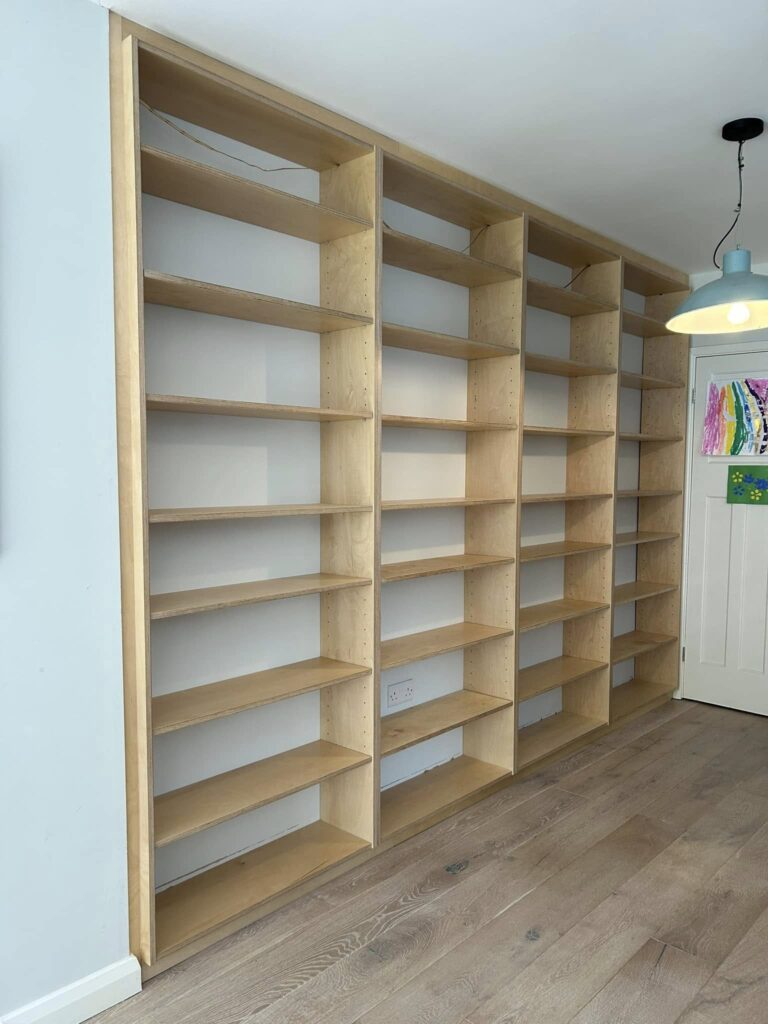
Bespoke joinery is the process of creating custom-made timber products that are designed and built specifically around a property’s layout, style, and the client’s individual requirements. Unlike mass-produced furniture, which is created using standard sizes and designs, bespoke joinery offers a personalised approach where every detail can be tailored. From fitted wardrobes and cabinetry to staircases and custom storage solutions, bespoke timber work provides a perfect combination of functionality, craftsmanship, and visual appeal. Homeowners choose custom-made joinery because it allows them to maximise space, achieve a unique design, and invest in products that are built to last. Skilled joiners combine traditional woodworking techniques with modern tools to create high-quality finishes and durable solutions. At Craig Smith Joinery, we provide bespoke joinery and cabinetry services throughout Nottinghamshire, helping homeowners and businesses transform their spaces with expertly crafted timber features designed around their needs. What Is Bespoke Joinery? Bespoke joinery is a specialist form of woodworking focused on designing, manufacturing, and installing timber products that are completely tailored to each individual project. Unlike ready-made furniture, bespoke joinery is created from the ground up to match the exact dimensions, style preferences, and functional requirements of a property. Every element, from the choice of materials and finishes to the overall design and layout, can be customised to achieve the desired result. Bespoke joiners use a combination of traditional craftsmanship and modern manufacturing techniques to produce high-quality timber features that are both practical and visually impressive. This approach is ideal for homeowners who want unique interiors that make the most of their available space. Whether creating custom cabinetry, fitted furniture, or detailed interior woodwork, bespoke joinery delivers personalised solutions that add character, functionality, and long-term value to a property. Understanding Bespoke Joinery Bespoke joinery refers to the creation of made-to-measure timber products that are designed specifically for a client’s property and requirements. Instead of adapting standard furniture to fit a space, bespoke joinery starts with a blank design process where every measurement, material, and detail is carefully considered. This allows joiners to create solutions for unique layouts, awkward spaces, and specific design preferences. The process combines traditional woodworking skills with modern techniques, ensuring each product achieves a high level of accuracy and finish. Skilled joiners carefully select suitable materials, manufacture components in a specialist workshop, and complete detailed finishing work before installation. This attention to detail results in timber features that are stronger, more functional, and better suited to the property compared with mass-produced alternatives. Bespoke joinery provides homeowners with the opportunity to create interiors that are truly personalised and built around their lifestyle. What Type of Joinery Is Used for Bespoke Furniture? Bespoke furniture can involve various types of joinery techniques and craftsmanship, depending on the purpose, design, and complexity of the project. Cabinet making is one of the most common areas of bespoke joinery, creating custom cupboards, storage units, and fitted furniture designed around specific spaces. Fitted furniture, such as wardrobes, home offices, and media units, is also popular because it allows homeowners to maximise functionality while maintaining a seamless interior design. Custom storage solutions help transform unused areas into practical spaces, while bespoke staircases and detailed interior woodwork can become standout features within a property. Fine woodworking techniques, including precise timber joints, careful shaping, and specialist finishing methods, are used to achieve a premium-quality result. By combining technical skill with creative design, bespoke joinery allows furniture and interior features to be crafted specifically around each client’s needs, preferences, and property style. Why Choose Bespoke Joinery? Choosing bespoke joinery allows homeowners to create timber solutions that are specifically designed around their property, lifestyle, and personal preferences. Unlike standard furniture, which is often limited by fixed sizes and designs, bespoke joinery provides complete control over the final result. Every detail can be customised, from the layout and materials to the finish and functionality of the finished piece. Whether you need additional storage, a statement interior feature, or furniture that perfectly fits an unusual space, custom-made joinery offers a practical and attractive solution. Skilled joiners combine craftsmanship, creativity, and technical expertise to produce high-quality timber features that are built to last. From fitted wardrobes and cabinetry to home offices and media walls, bespoke joinery enhances both the appearance and usability of your home. Investing in custom-made timber solutions provides long-term value through improved functionality, durability, and a design that is completely unique to your property. Perfect Fit for Your Space One of the biggest advantages of bespoke joinery is the ability to create solutions that fit your space perfectly. Made-to-measure designs are created around the exact dimensions of your property, making them ideal for rooms with awkward layouts, unusual corners, or limited storage options. Instead of trying to adapt standard furniture to your home, bespoke joinery allows every element to be designed specifically for the available space. This helps maximise storage, improve organisation, and create a cleaner, more functional interior. Whether you need fitted wardrobes, alcove units, custom shelving, or built-in furniture, a joiner can design a solution that makes the most of every area. By carefully considering your requirements and the layout of your home, bespoke joinery ensures your furniture is not only attractive but also practical and perfectly suited to your lifestyle. Complete Design Freedom Bespoke joinery gives homeowners complete creative control over the design of their timber features. Unlike mass-produced furniture, where choices are often limited to available sizes and finishes, custom joinery allows you to select materials, colours, styles, and layouts that match your personal preferences. Every detail can be adapted, from the type of timber and hardware used to the overall appearance and functionality of the finished product. This flexibility makes it easier to create interiors that complement existing décor or achieve a completely new design vision. Whether you prefer a traditional style, modern look, or something completely unique, bespoke joinery can be tailored to your requirements. This level of personalisation ensures that your furniture and interior features feel like a natural part of your home rather than a
What Is Joinery? A Complete Guide
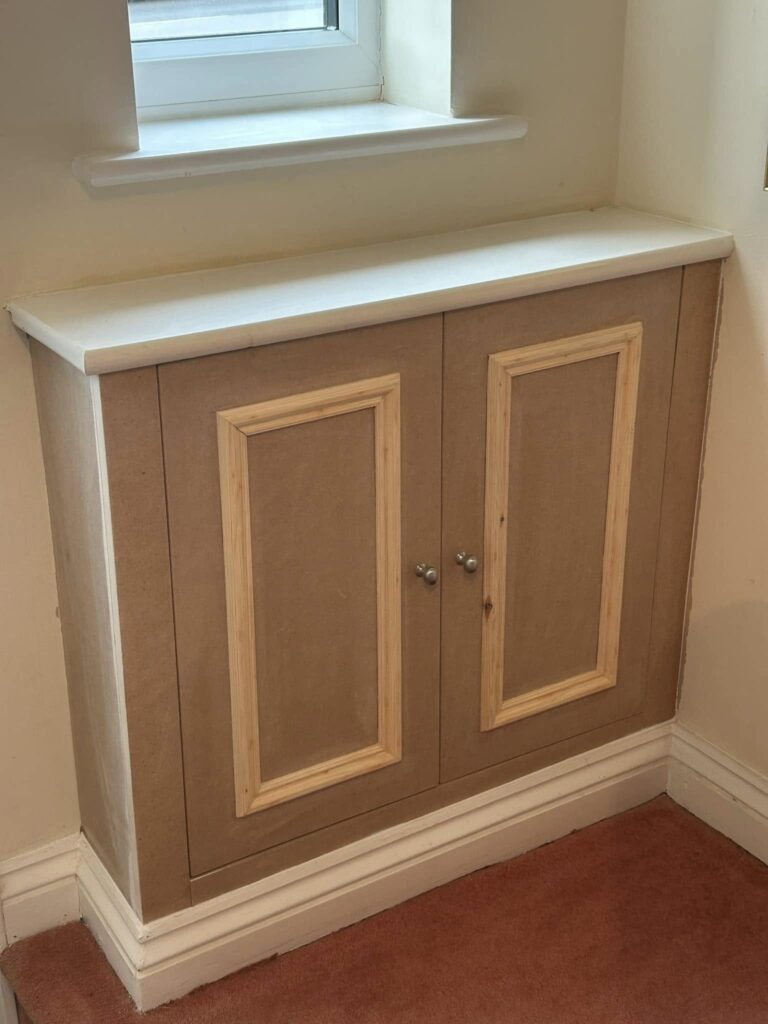
Joinery is a specialist trade that focuses on designing, manufacturing, and fitting high-quality timber products for homes and commercial properties. From bespoke cabinetry and fitted wardrobes to staircases and custom furniture, joinery combines skilled craftsmanship with precision to create functional and attractive woodwork tailored to each space. It plays an important role in improving both the appearance and practicality of a property, offering made-to-measure solutions that standard products often cannot achieve. Whether you’re planning a renovation, upgrading your interiors, or adding custom storage, understanding how joinery works can help you make informed decisions. In this complete guide, we’ll explain what joinery is, what a joiner does, how joinery differs from carpentry, and the types of projects it covers. At Craig Smith Joinery, we proudly provide bespoke joinery and cabinetry services throughout Nottinghamshire, delivering expertly crafted timber solutions designed to suit every home, business, and individual requirement. What Does Joinery Mean? The term joinery refers to the process of joining pieces of timber together to create durable and precisely crafted wooden products. In woodworking, it describes the specialist techniques used to manufacture items such as cabinets, staircases, doors, windows, shelving, and bespoke furniture. The name comes from the skilled methods used to create strong, accurate joints that securely connect individual timber components without compromising appearance or strength. In the construction industry, joinery is responsible for producing many of the custom timber elements that are later installed within residential and commercial buildings. Rather than focusing on structural construction, joinery emphasises precision manufacturing, fine craftsmanship, and made-to-measure solutions. The result is timber products that are not only practical and long-lasting but also tailored to complement the design and character of each individual property. What Does a Joiner Do? A joiner designs, manufactures, and often installs bespoke timber products that are built to suit the exact requirements of each project. Most joinery work takes place in a workshop, where specialist machinery is used to cut, shape, assemble, and finish timber with exceptional precision. Joiners create a wide range of products, including fitted wardrobes, bespoke cabinetry, staircases, shelving, internal doors, windows, and custom furniture. Every piece is carefully measured and crafted to ensure a perfect fit once installed within the property. In addition to technical expertise, joiners combine creativity with practical problem-solving to produce solutions that maximise space, improve functionality, and enhance interior design. Their attention to detail and commitment to quality craftsmanship make them the preferred choice for homeowners and businesses seeking bespoke timber features that are both beautiful and built to last. What Does Joinery Involve? Joinery involves a detailed process that transforms raw timber into carefully crafted products designed to meet the specific needs of a property. Unlike mass-produced furniture or standard fittings, joinery focuses on creating bespoke solutions through careful planning, precision manufacturing, and expert installation. Every stage of the process plays an important role in achieving a high-quality final result, from taking accurate measurements and selecting suitable materials to manufacturing and fitting the finished product. Joiners combine traditional woodworking techniques with modern tools and machinery to produce items that are both practical and visually appealing. Whether creating fitted storage, bespoke cabinetry, staircases, or custom furniture, joinery requires attention to detail at every step. The process ensures that each piece is built to fit perfectly within its intended space while providing long-lasting durability and an exceptional finish. Planning and Measuring The first stage of any joinery project involves careful planning, accurate measurements, and detailed preparation. Before manufacturing begins, a joiner assesses the available space, understands the client’s requirements, and considers the overall design style of the property. Precise site measurements are essential to ensure that bespoke timber products fit perfectly once installed, especially in areas with unusual layouts or limited space. Joiners may also create detailed design drawings or plans to visualise the finished product before construction begins. During this stage, important decisions are made regarding the type of timber, finishes, colours, and design features that will be used. Selecting the right materials ensures the final product not only looks attractive but also provides strength and durability. This careful preparation helps prevent issues during production and ensures the finished joinery meets both practical needs and aesthetic expectations. Manufacturing Timber Products Once the design and measurements have been finalised, the manufacturing stage begins. This is where a joiner transforms selected timber materials into a finished product using specialist tools, machinery, and skilled craftsmanship. The process usually involves carefully cutting timber pieces to the required dimensions, shaping individual components, and assembling them together to create a strong and accurate structure. Joiners pay close attention to details such as joints, alignment, and surface quality to ensure the product meets high standards. After assembly, the piece is carefully finished through sanding, polishing, painting, or staining depending on the desired appearance. Whether creating bespoke cabinets, fitted wardrobes, staircases, or furniture, this stage requires patience, precision, and extensive woodworking knowledge. The result is a high-quality timber product that is designed specifically for the client’s property and built to provide long-lasting performance. Installation The final stage of the joinery process is the installation of the completed timber product within the property. Once the bespoke item has been manufactured, it is carefully transported and fitted into its designated location by an experienced joiner. During installation, adjustments may be required to ensure everything aligns perfectly with existing walls, floors, and surrounding features. This attention to detail is particularly important for fitted furniture, cabinetry, staircases, and other custom-made elements where accuracy is essential. A professional joiner ensures that all fittings are secure, functional, and finished to the highest possible standard. After installation, final checks are carried out to make sure the product operates correctly and meets the client’s expectations. This final stage completes the joinery process, delivering a beautifully crafted timber feature that enhances the style, usability, and value of the property. Types of Joinery Work Joinery covers a wide range of timber craftsmanship projects designed to improve the functionality, appearance, and value of both residential and commercial properties. Unlike
Carpenter vs Joiner: What’s the Difference?
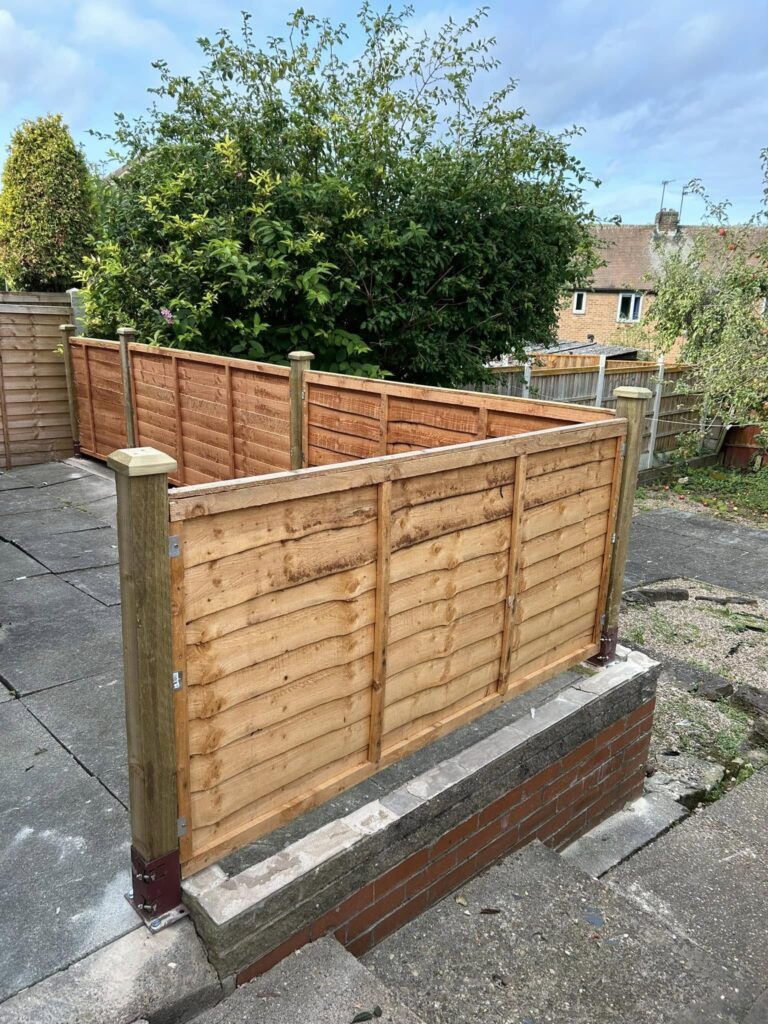
Many people use the terms carpenter and joiner interchangeably, assuming they describe the same trade. While both professionals work with timber and require excellent woodworking skills, their roles, expertise, and working environments are quite different. Understanding these differences can help you choose the right specialist for your project, whether you’re planning a home renovation, installing bespoke furniture, or improving your property’s interior. In this guide, we’ll explain carpenter vs joiner: what’s the difference?, explore the types of work each professional undertakes, and highlight when you should hire one over the other. We’ll also answer common questions about joinery and carpentry to clear up any confusion. At Craig Smith Joinery, we provide bespoke joinery and cabinetry solutions for homeowners across Nottinghamshire, delivering expertly crafted timber features that combine practicality, durability, and outstanding attention to detail. What Is a Joiner? A joiner is a skilled woodworking professional who specialises in crafting timber products with precision before they are installed in a property. Unlike carpenters, who typically work on-site, joiners usually carry out their work in a workshop using specialist machinery and tools to manufacture high-quality wooden components. Their expertise focuses on creating bespoke items that are made to exact measurements and tailored to suit individual spaces and design preferences. Whether producing custom cabinetry, elegant staircases, fitted wardrobes, or handcrafted furniture, a joiner combines technical knowledge with craftsmanship to achieve a flawless finish. Their work requires accuracy, careful planning, and a deep understanding of different timber types and construction methods. For homeowners looking for custom-made woodwork that enhances both functionality and appearance, a professional joiner offers the skills needed to produce lasting, beautifully finished pieces. What Does a Joiner Do? A joiner designs and manufactures wooden products that are built with precision and attention to detail. Most joinery work takes place in a fully equipped workshop, where advanced machinery allows timber to be cut, shaped, assembled, and finished with exceptional accuracy. Joiners produce bespoke items that are tailored to each client’s requirements, ensuring every piece fits perfectly within the intended space. Their work often involves interpreting detailed plans, selecting suitable materials, and using traditional craftsmanship alongside modern techniques to create durable, high-quality products. Because much of the manufacturing is completed before installation, joiners can focus on achieving clean joints, smooth finishes, and consistent quality throughout every project. This combination of technical expertise and bespoke craftsmanship makes joiners the preferred choice for homeowners seeking customised timber features that add character and value to their property. Common Joinery Projects Joiners create a wide range of bespoke timber products designed to improve both the functionality and appearance of a home. Common projects include fitted wardrobes, bespoke cabinets, shelving units, handcrafted furniture, and custom kitchen cabinetry that maximise available space while reflecting the homeowner’s style. They also manufacture internal doors, timber windows, and beautifully crafted staircases that combine structural integrity with attractive design. Many joiners specialise in creating one-of-a-kind storage solutions, media walls, alcove units, and other fitted furniture tailored to individual properties. Each project is carefully measured, built, and finished to ensure a precise fit and long-lasting performance. Whether producing a single custom cabinet or completing an entire house of bespoke joinery, the emphasis remains on quality workmanship, durable materials, and meticulous attention to detail, resulting in timber features that are both practical and visually appealing. What Is a Carpenter? A carpenter is a skilled tradesperson who primarily works on construction sites, installing and assembling timber products within residential and commercial properties. While joiners typically manufacture wooden components in a workshop, carpenters focus on fitting, repairing, and constructing timber features on-site. Their work often involves interpreting building plans, measuring materials accurately, and ensuring every installation meets structural and safety requirements. Carpenters contribute to both new-build developments and renovation projects, carrying out tasks that range from structural framing to finishing woodwork. They work closely with builders, architects, and other trades to ensure timber elements are installed correctly and function as intended. Whether constructing roof frameworks, fitting doors, laying flooring, or building stud walls, carpenters play a vital role in bringing construction projects to completion through practical expertise, precision, and high-quality workmanship. What Does a Carpenter Do? A carpenter is responsible for constructing, installing, and repairing a wide variety of timber structures directly on-site. Their work begins with reading technical drawings, measuring spaces accurately, and preparing materials before carrying out installations. Carpenters fit pre-manufactured timber products such as doors, flooring, staircases, skirting boards, and window frames, while also building structural components including roof frameworks, timber partitions, and floor systems. Because they work within active construction environments, carpenters must adapt to varying site conditions while ensuring every installation meets building regulations and quality standards. Their role requires practical problem-solving, excellent craftsmanship, and the ability to work efficiently alongside other trades. By combining technical skill with hands-on experience, carpenters ensure timber structures are safely installed, durable, and finished to a professional standard. Common Carpentry Projects Carpenters undertake a broad range of on-site timber construction and installation projects that form an essential part of residential and commercial buildings. Common carpentry work includes constructing roof structures, erecting timber framing, installing stud walls, fitting internal and external doors, laying timber or laminate flooring, and fixing skirting boards and architraves. Many carpenters also build decking, pergolas, and other outdoor timber structures that enhance external living spaces. Their expertise extends to renovation work, repairs, and alterations where existing timber features need replacing or upgrading. Every project requires careful measuring, precise fitting, and attention to structural integrity to ensure long-lasting results. Whether working on a new-build property or improving an existing home, carpenters provide the practical installation skills needed to complete timber construction safely and professionally. What Is the Difference Between a Carpenter and a Joiner? The main difference between a carpenter and a joiner lies in where they work and the type of work they perform. Joiners are primarily workshop-based specialists who manufacture bespoke timber products using precision machinery, while carpenters install and assemble those products on-site as part of construction or renovation projects.