
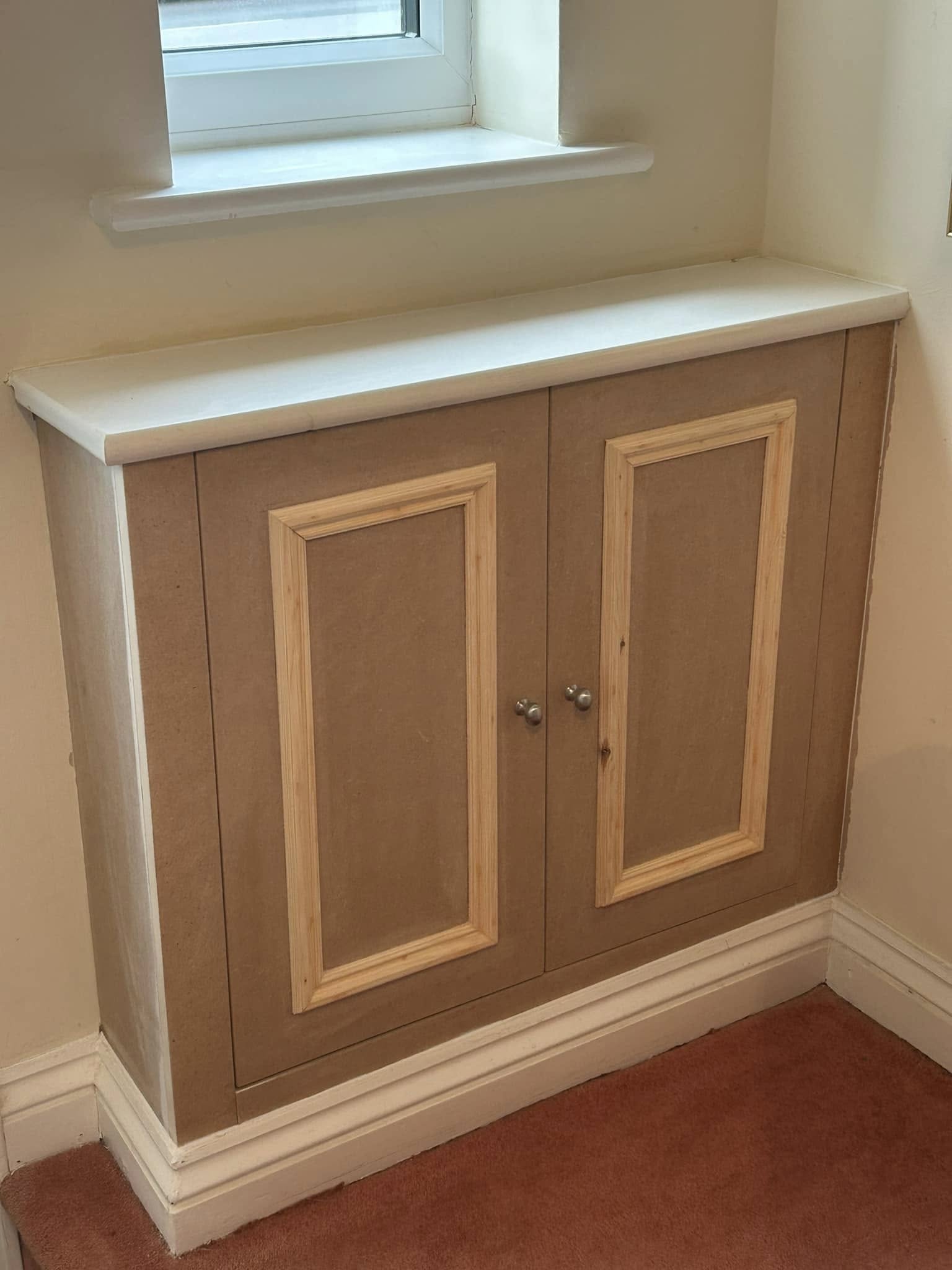
Joinery is a specialist trade that focuses on designing, manufacturing, and fitting high-quality timber products for homes and commercial properties. From bespoke cabinetry and fitted wardrobes to staircases and custom furniture, joinery combines skilled craftsmanship with precision to create functional and attractive woodwork tailored to each space.
It plays an important role in improving both the appearance and practicality of a property, offering made-to-measure solutions that standard products often cannot achieve. Whether you’re planning a renovation, upgrading your interiors, or adding custom storage, understanding how joinery works can help you make informed decisions.
In this complete guide, we’ll explain what joinery is, what a joiner does, how joinery differs from carpentry, and the types of projects it covers. At Craig Smith Joinery, we proudly provide bespoke joinery and cabinetry services throughout Nottinghamshire, delivering expertly crafted timber solutions designed to suit every home, business, and individual requirement.
What Does Joinery Mean?
The term joinery refers to the process of joining pieces of timber together to create durable and precisely crafted wooden products. In woodworking, it describes the specialist techniques used to manufacture items such as cabinets, staircases, doors, windows, shelving, and bespoke furniture.
The name comes from the skilled methods used to create strong, accurate joints that securely connect individual timber components without compromising appearance or strength. In the construction industry, joinery is responsible for producing many of the custom timber elements that are later installed within residential and commercial buildings. Rather than focusing on structural construction, joinery emphasises precision manufacturing, fine craftsmanship, and made-to-measure solutions.
The result is timber products that are not only practical and long-lasting but also tailored to complement the design and character of each individual property.
What Does a Joiner Do?
A joiner designs, manufactures, and often installs bespoke timber products that are built to suit the exact requirements of each project. Most joinery work takes place in a workshop, where specialist machinery is used to cut, shape, assemble, and finish timber with exceptional precision. Joiners create a wide range of products, including fitted wardrobes, bespoke cabinetry, staircases, shelving, internal doors, windows, and custom furniture.
Every piece is carefully measured and crafted to ensure a perfect fit once installed within the property. In addition to technical expertise, joiners combine creativity with practical problem-solving to produce solutions that maximise space, improve functionality, and enhance interior design.
Their attention to detail and commitment to quality craftsmanship make them the preferred choice for homeowners and businesses seeking bespoke timber features that are both beautiful and built to last.
What Does Joinery Involve?
Joinery involves a detailed process that transforms raw timber into carefully crafted products designed to meet the specific needs of a property. Unlike mass-produced furniture or standard fittings, joinery focuses on creating bespoke solutions through careful planning, precision manufacturing, and expert installation.
Every stage of the process plays an important role in achieving a high-quality final result, from taking accurate measurements and selecting suitable materials to manufacturing and fitting the finished product. Joiners combine traditional woodworking techniques with modern tools and machinery to produce items that are both practical and visually appealing.
Whether creating fitted storage, bespoke cabinetry, staircases, or custom furniture, joinery requires attention to detail at every step. The process ensures that each piece is built to fit perfectly within its intended space while providing long-lasting durability and an exceptional finish.
Planning and Measuring
The first stage of any joinery project involves careful planning, accurate measurements, and detailed preparation. Before manufacturing begins, a joiner assesses the available space, understands the client’s requirements, and considers the overall design style of the property. Precise site measurements are essential to ensure that bespoke timber products fit perfectly once installed, especially in areas with unusual layouts or limited space.
Joiners may also create detailed design drawings or plans to visualise the finished product before construction begins. During this stage, important decisions are made regarding the type of timber, finishes, colours, and design features that will be used. Selecting the right materials ensures the final product not only looks attractive but also provides strength and durability. This careful preparation helps prevent issues during production and ensures the finished joinery meets both practical needs and aesthetic expectations.
Manufacturing Timber Products
Once the design and measurements have been finalised, the manufacturing stage begins. This is where a joiner transforms selected timber materials into a finished product using specialist tools, machinery, and skilled craftsmanship. The process usually involves carefully cutting timber pieces to the required dimensions, shaping individual components, and assembling them together to create a strong and accurate structure.
Joiners pay close attention to details such as joints, alignment, and surface quality to ensure the product meets high standards. After assembly, the piece is carefully finished through sanding, polishing, painting, or staining depending on the desired appearance. Whether creating bespoke cabinets, fitted wardrobes, staircases, or furniture, this stage requires patience, precision, and extensive woodworking knowledge.
The result is a high-quality timber product that is designed specifically for the client’s property and built to provide long-lasting performance.
Installation
The final stage of the joinery process is the installation of the completed timber product within the property. Once the bespoke item has been manufactured, it is carefully transported and fitted into its designated location by an experienced joiner. During installation, adjustments may be required to ensure everything aligns perfectly with existing walls, floors, and surrounding features.
This attention to detail is particularly important for fitted furniture, cabinetry, staircases, and other custom-made elements where accuracy is essential. A professional joiner ensures that all fittings are secure, functional, and finished to the highest possible standard. After installation, final checks are carried out to make sure the product operates correctly and meets the client’s expectations.
This final stage completes the joinery process, delivering a beautifully crafted timber feature that enhances the style, usability, and value of the property.
Types of Joinery Work
Joinery covers a wide range of timber craftsmanship projects designed to improve the functionality, appearance, and value of both residential and commercial properties. Unlike standard off-the-shelf products, joinery focuses on creating made-to-measure solutions that are designed around the specific requirements of each space. From custom interior features to large-scale commercial installations, skilled joiners produce timber products that combine practicality with exceptional craftsmanship.
Whether you need additional storage, improved interiors, or unique architectural features, bespoke joinery provides solutions that are tailored to your property. Common joinery work includes fitted furniture, cabinetry, doors, windows, staircases, and specialist commercial fittings.
Each project involves careful planning, precise manufacturing, and expert installation to ensure a high-quality finish. By combining traditional woodworking skills with modern techniques, joinery creates durable timber features that enhance both the style and usability of a space.
Bespoke Interior Joinery
Bespoke interior joinery focuses on creating custom-made timber features that are designed specifically for the inside of a property. These solutions are ideal for homeowners who want to maximise available space while adding a personalised touch to their interiors. Popular projects include fitted wardrobes, media walls, alcove units, shelving, and custom home offices that are built around the unique layout of each room.
Unlike standard furniture, bespoke joinery allows every detail to be tailored, from the dimensions and materials to the design style and finishing touches. Joiners carefully plan each project to ensure the final result blends seamlessly with the existing décor while providing practical benefits such as improved organisation and storage.
Whether creating a stylish entertainment area or a functional workspace, bespoke interior joinery offers a high-quality solution that enhances the comfort and character of any home.
Cabinetry and Storage Solutions
Custom cabinetry and storage solutions are among the most popular types of joinery work, providing homeowners with practical and attractive ways to organise their spaces. Bespoke cabinets are designed around the exact measurements and requirements of a property, allowing joiners to make use of areas that standard furniture cannot accommodate effectively. Common projects include kitchen cabinetry, bathroom units, utility room storage, and custom-built cupboards designed to maximise space.
Each piece is carefully manufactured using quality materials to ensure strength, durability, and a refined finish. Bespoke storage also allows homeowners to choose specific layouts, finishes, colours, and features that match their personal style.
Whether you need additional storage in a compact room or a complete custom cabinetry solution, professional joinery provides functional designs that improve everyday living while adding long-term value to your property.
Doors, Windows and Staircases
Joinery plays an important role in creating high-quality timber features such as internal doors, windows, staircases, and balustrades. These elements require exceptional precision because they must combine structural strength with attractive design. Bespoke internal doors can be manufactured to match the character of a property, while timber windows provide a traditional appearance with durable performance when crafted correctly.
Staircases and balustrades are another area where joinery expertise is essential, as each component must be carefully measured, manufactured, and installed for safety and visual appeal. Custom-made timber features offer greater flexibility compared with standard products, allowing homeowners to choose designs, materials, and finishes that complement their interiors. From classic styles to modern designs, professional joinery ensures these important architectural features are both practical and beautifully crafted.
Commercial Joinery
Commercial joinery provides businesses with custom timber solutions designed to improve the functionality and appearance of professional spaces. Unlike mass-produced commercial furniture, bespoke joinery allows companies to create interiors that reflect their brand identity while meeting specific operational requirements. Common commercial projects include office furniture, reception desks, retail displays, and hospitality interiors such as bars, restaurants, and hotels. Joiners work closely with business owners, designers, and contractors to manufacture timber features that are practical, durable, and visually impressive.
Every element can be tailored to suit the available space, customer experience, and daily usage requirements. Whether creating a welcoming reception area or a unique retail display, commercial joinery combines craftsmanship with thoughtful design to create professional environments that leave a lasting impression.
What Is Joinery in Construction?
Joinery plays an important role in construction by providing the carefully manufactured timber components that are later installed within residential and commercial buildings. While construction focuses on building and assembling structures, joinery specialises in creating the detailed timber products that complete and enhance those spaces. Joiners typically manufacture items in a workshop before they are transported to the construction site for installation.
This process allows for greater accuracy, quality control, and a higher level of craftsmanship compared with producing everything directly on-site. Joiners often work alongside builders, architects, designers, and carpenters to ensure timber elements fit seamlessly within a project.
From bespoke doors and windows to cabinetry and staircases, joinery contributes both practical and aesthetic value to buildings, making it an essential part of modern construction and renovation projects.
Manufacturing Before Installation
A key feature of joinery in construction is that most timber products are manufactured before they reach the building site. This workshop-based approach allows joiners to create components in a controlled environment where specialist machinery and precise techniques can be used.
Products such as doors, windows, staircases, cabinetry, and fitted furniture are carefully measured, cut, assembled, and finished before installation begins. Manufacturing off-site improves accuracy, reduces errors, and allows greater attention to detail throughout the process. Once completed, the products are delivered to the property where they are professionally fitted and adjusted as needed.
This method ensures construction projects benefit from high-quality timber features that are both functional and visually appealing.
Working Alongside Builders and Carpenters
Joiners often collaborate closely with builders and carpenters throughout construction and renovation projects. While joiners focus on manufacturing bespoke timber components, builders handle wider construction tasks and carpenters often complete on-site installation work. This teamwork ensures every element of a project works together effectively, from structural requirements to final interior finishes.
For example, a joiner may create a custom staircase in a workshop, while a carpenter installs it within the property as part of the wider build. By combining their different skills, these professionals deliver complete solutions that balance strength, accuracy, and design. This collaboration is especially important in complex projects such as extensions, new builds, and major home renovations.
Residential and Commercial Applications
Joinery is used across a wide range of residential and commercial construction projects because it provides customised timber solutions for different environments. In homes, joinery is commonly used for fitted furniture, bespoke kitchens, wardrobes, staircases, doors, and storage solutions that improve both appearance and functionality. In commercial settings, joiners create office interiors, reception areas, retail displays, hospitality features, and specialist furniture designed around business requirements.
The ability to manufacture products to exact specifications makes joinery suitable for projects of all sizes and styles. Whether enhancing a private home or creating a professional commercial space, skilled joinery provides durable, attractive, and practical timber features that contribute to the overall quality of the finished building.
How Does Joinery Work?
Joinery follows a detailed process that combines design, skilled craftsmanship, and precise installation to create high-quality timber products. Unlike ready-made furniture or standard fittings, bespoke joinery is created specifically for each property, ensuring every piece fits perfectly and meets the client’s requirements.
The process begins with understanding the client’s vision, taking accurate measurements, and developing a suitable design before manufacturing begins. Skilled joiners then use specialist workshop equipment to transform raw materials into finished timber products, maintaining strict quality standards throughout production. Once completed, the final piece is carefully delivered and installed within the property, with any necessary adjustments made to achieve a perfect fit.
From fitted wardrobes and cabinetry to staircases and custom furniture, professional joinery combines traditional woodworking expertise with modern techniques to deliver practical, durable, and visually impressive solutions.
Design Stage
The design stage is the foundation of every successful joinery project, ensuring the final product meets both practical needs and aesthetic expectations. The process usually begins with a consultation where the joiner discusses the client’s requirements, preferred style, functionality, and budget.
During this stage, important details such as available space, design preferences, and material choices are carefully considered. Accurate measuring is then carried out to ensure the finished product fits perfectly within the intended area, especially for bespoke items such as fitted wardrobes, cabinetry, and built-in furniture. Detailed planning may include design drawings or concepts that allow clients to visualise the finished result before manufacturing begins.
This preparation ensures potential challenges are identified early and helps create a clear plan for producing a high-quality timber solution tailored specifically to the property.
Manufacturing Stage
The manufacturing stage is where the joiner’s craftsmanship and technical skills bring the design to life. Using carefully selected materials and specialist workshop equipment, joiners cut, shape, assemble, and finish timber components with exceptional precision.
Modern machinery allows for accurate measurements and consistent results, while traditional woodworking techniques ensure attention to detail and quality craftsmanship. Throughout production, careful quality control checks are carried out to ensure every component meets the required standards before moving to installation. This stage requires extensive knowledge of timber, joinery techniques, and finishing methods to create products that are both strong and visually appealing.
Whether producing bespoke cabinets, staircases, doors, or fitted furniture, the manufacturing process ensures every detail is carefully considered, resulting in a custom-made timber feature designed to provide long-lasting performance and a premium finish.
Installation Stage
The installation stage completes the joinery process by bringing the finished timber product into the property and ensuring it fits perfectly within its intended location. After manufacturing is complete, the joinery piece is carefully delivered and positioned on-site by experienced professionals.
During fitting, joiners make precise adjustments where necessary to account for the unique characteristics of each property, such as uneven walls or existing structures. Attention to detail during installation ensures that doors open correctly, cabinets align properly, and fitted furniture integrates seamlessly with the surrounding space. Final checks are carried out to confirm the quality, functionality, and appearance of the completed work.
A professional installation ensures the craftsmanship achieved during manufacturing is fully maintained, providing a finished result that enhances the property’s style, usability, and long-term value.
What Skills Does Joinery Require?
Joinery requires a combination of technical knowledge, practical ability, creativity, and careful attention to detail. A skilled joiner must understand different types of timber, construction methods, and manufacturing techniques to create products that are both strong and visually appealing.
Because joinery often involves bespoke work, professionals need excellent problem-solving skills to design solutions for unique spaces and overcome challenges during production or installation. Precision is one of the most important aspects of the trade, as even small measurement errors can affect the final result.
Joiners also need confidence using specialist machinery, hand tools, and finishing equipment to achieve a high-quality outcome. Alongside technical abilities, creativity plays an important role, allowing joiners to develop designs that are practical, attractive, and tailored to each client’s individual requirements.
Technical Woodworking Knowledge
A strong understanding of woodworking principles is essential for any professional joiner. This includes knowledge of different timber types, how materials behave, and which construction methods are best suited to specific projects. Joiners need to understand traditional techniques such as creating strong joints, assembling timber components, and applying suitable finishes to protect and enhance the final product.
They must also be familiar with modern tools, machinery, and manufacturing processes used in contemporary joinery workshops. This technical knowledge allows joiners to produce everything from simple storage solutions to complex bespoke furniture and architectural features.
By combining experience with specialist skills, joiners can create timber products that are durable, functional, and carefully designed to meet the exact requirements of each project.
Attention to Detail and Measuring Accuracy
Precision and attention to detail are among the most important skills required in joinery. Bespoke timber products are created to fit specific spaces, meaning accurate measurements and careful planning are essential throughout every stage of the process.
A small mistake during measuring, cutting, or assembly can affect the quality and appearance of the finished product. Skilled joiners carefully check dimensions, alignment, and finishes to ensure every component meets high standards. This level of accuracy is particularly important for projects such as fitted wardrobes, cabinetry, staircases, and custom furniture where a perfect fit is required.
Strong attention to detail allows joiners to deliver professional results that not only look impressive but also function correctly for many years.
Problem-Solving and Creativity
Joinery often involves creating unique solutions for individual properties, which makes problem-solving and creativity essential skills. Every project presents different challenges, whether it involves working with unusual spaces, matching existing interiors, or designing practical storage solutions. A skilled joiner must think creatively to develop designs that balance appearance, functionality, and structural requirements.
They use their experience and knowledge to overcome challenges during planning, manufacturing, and installation. Creativity also allows joiners to produce bespoke features that reflect a client’s personal style rather than relying on standard designs. Whether creating a custom media wall, fitted furniture, or a unique staircase, professional joiners combine imagination with technical expertise to deliver solutions that are both practical and visually impressive.
Machinery Skills and Finishing Techniques
Professional joinery requires confidence and experience using a wide range of workshop machinery and finishing tools. Joiners use specialist equipment to cut, shape, and assemble timber accurately, ensuring each component meets precise specifications. Understanding how to safely operate machinery such as saws, routers, and sanding equipment is essential for producing high-quality results. Finishing techniques are equally important, as they determine the final appearance and durability of the completed product. Joiners may apply paints, stains, oils, or protective coatings to enhance the timber and achieve the desired look. These skills allow professionals to create beautifully finished products that showcase the natural qualities of wood while providing long-lasting performance. Combining machinery expertise with skilled finishing techniques ensures every bespoke joinery project achieves a premium standard.
What Is the Difference Between Joinery and Carpentry?
Although joinery and carpentry are closely connected trades, they focus on different areas of woodworking. Joinery primarily involves designing and manufacturing timber products in a workshop, while carpentry focuses on installing and constructing timber elements on-site. A joiner creates bespoke items such as fitted furniture, cabinetry, staircases, doors, and windows using specialist tools and precision techniques.
A carpenter, on the other hand, works mainly within construction environments, fitting timber products and completing structural work such as framing, flooring, roofing, and alterations. Both trades require excellent woodworking knowledge, but their working methods and project responsibilities are different.
Understanding the distinction between joinery and carpentry helps homeowners choose the right professional for their needs, whether they require a custom-made interior feature or expert timber installation.
Joinery vs Carpentry
The main difference between joinery and carpentry comes down to manufacturing versus installation. Joinery is focused on creating timber products before they are fitted, often using specialist workshop machinery to achieve precise measurements and high-quality finishes.
Carpenters usually work on-site, installing these products and carrying out construction-related timber work. Joiners are commonly involved in projects such as bespoke cabinetry, fitted wardrobes, staircases, and custom furniture, while carpenters handle tasks including roof structures, timber framing, decking, and flooring.
While both professions involve working with wood, joinery places greater emphasis on precision craftsmanship and bespoke design, whereas carpentry focuses more on practical construction and fitting. In many cases, both trades work together to deliver a complete project.
Do Joiners and Carpenters Work Together?
Yes, joiners and carpenters often work together on residential and commercial projects to combine their specialist skills. Their responsibilities complement each other, allowing timber products to be manufactured accurately and installed correctly.
For example, a joiner may design and build a bespoke staircase or fitted wardrobe in a workshop, while a carpenter installs it within the property and ensures it fits perfectly. This collaboration is common during home renovations, extensions, new builds, and large interior improvement projects.
While joiners focus on creating high-quality timber components, carpenters bring practical on-site expertise to complete the installation process. Both trades are important because they contribute different skills that help achieve durable, functional, and professionally finished results.
Why Choose Bespoke Joinery?
Bespoke joinery offers homeowners the opportunity to create timber features that are designed specifically around their property, lifestyle, and personal preferences. Unlike mass-produced furniture, custom joinery is made to exact measurements, allowing every detail to be tailored to the available space. Whether you need additional storage, improved functionality, or a unique interior feature, bespoke solutions provide greater flexibility and quality.
Professional joinery combines skilled craftsmanship with carefully selected materials to create products that are built to last. From fitted wardrobes and cabinetry to media walls and home offices, bespoke joinery enhances both the appearance and practicality of a property. Investing in custom-made timber features can also add long-term value by improving the overall design, usability, and appeal of your home.
Better Use of Space
One of the biggest advantages of bespoke joinery is the ability to maximise every area of your home. Made-to-measure solutions are designed specifically for your property’s layout, making them ideal for rooms with unusual dimensions, awkward corners, or limited storage space. Instead of relying on standard furniture sizes, bespoke joinery allows joiners to create fitted solutions that make the most of available space.
This is particularly useful for projects such as alcove units, fitted wardrobes, home offices, and custom storage systems. By designing furniture around your exact requirements, you can improve organisation while maintaining a clean and attractive interior. Bespoke joinery ensures that no space is wasted and provides practical solutions that perfectly match the way you use your home.
Higher Quality Craftsmanship
Bespoke joinery provides a level of craftsmanship and attention to detail that is difficult to achieve with mass-produced alternatives. Skilled joiners carefully select premium materials, use precise manufacturing techniques, and focus on every detail throughout the production process. This results in timber products that are stronger, more durable, and finished to a higher standard.
Custom-made furniture and interior features are built specifically for your property, ensuring better fitting and improved performance over time. From smooth finishes to strong joints and carefully designed details, professional joinery delivers quality that can be appreciated every day. Investing in handcrafted timber solutions means you receive products that are not only visually impressive but also designed to withstand years of regular use.
Adds Value to Your Home
Bespoke joinery can significantly improve the value, functionality, and overall appearance of your property. Custom-made features such as fitted furniture, stylish cabinetry, and handcrafted storage solutions create interiors that feel more refined and personalised. By improving how a space is used, bespoke joinery can make your home more practical while enhancing its visual appeal. High-quality timber features are often viewed as desirable additions by potential buyers because they provide both style and long-term functionality.
Unlike temporary furniture solutions, professionally crafted joinery is designed to last and remain useful for many years. Whether you are upgrading your current home or preparing a property for the future, bespoke joinery represents a valuable investment that combines everyday benefits with lasting aesthetic appeal.
When Should You Hire a Joiner?
You should consider hiring a joiner when your project requires custom-made timber solutions that need to fit perfectly within your property. Joiners specialise in creating bespoke interior features that are designed around your specific requirements, making them ideal for homeowners looking for high-quality craftsmanship and personalised designs. Common joinery projects include fitted wardrobes, bespoke furniture, media walls, alcove units, custom cabinetry, staircases, and home offices.
Unlike standard products, these features are manufactured to your exact measurements, allowing you to maximise space and achieve a unique finish. Whether you are renovating a single room or improving your entire home, a professional joiner can create practical and attractive timber solutions that complement your interior style.
Bespoke joinery is particularly valuable when you want a combination of functionality, durability, and exceptional craftsmanship.
Bespoke Joinery Projects
A joiner is the ideal choice for projects where standard furniture or fittings cannot provide the perfect solution. Bespoke wardrobes, fitted furniture, media walls, alcove units, and custom cabinetry can all be designed and manufactured to suit the exact dimensions and style of your property.
Home offices and built-in storage solutions are also popular joinery projects, especially for homeowners looking to create organised and practical spaces. Staircases and interior woodwork often require specialist craftsmanship because they need to combine structural strength with attractive design. By working with a skilled joiner, you can choose the materials, finishes, and features that best match your requirements.
This personalised approach ensures every project delivers a high-quality result that improves both the functionality and appearance of your home.
Why Choose Craig Smith Joinery in Nottinghamshire?
At Craig Smith Joinery, we specialise in creating high-quality bespoke joinery solutions tailored to homes and businesses throughout Nottinghamshire. Every project is approached with a focus on craftsmanship, precision, and attention to detail, ensuring each timber feature is designed and built to meet the client’s exact requirements.
From custom furniture and tailor-made cabinetry to fitted storage solutions and interior woodwork, we create pieces that combine practical functionality with beautiful design. Our experience allows us to deliver joinery projects that suit a wide range of styles, from traditional interiors to modern spaces. We use high-quality materials and proven techniques to ensure every product is durable, attractive, and built to last. Whether working on a domestic renovation or a commercial project, we provide a personal service from initial consultation through to final installation, helping clients bring their ideas to life with expertly crafted timber solutions.
Bespoke Craftsmanship and Tailor-Made Solutions
Bespoke craftsmanship is at the heart of every project completed by Craig Smith Joinery. Unlike standard furniture options, our joinery solutions are designed and manufactured specifically for each individual property and client requirement.
We create tailor-made cabinetry, custom furniture, and fitted interior features that make the most of available space while matching your preferred style and design vision. Every detail is carefully considered, from selecting suitable materials to achieving the perfect finish. Our approach ensures each piece is not only visually appealing but also practical, durable, and built for everyday use.
With a strong focus on precision and quality, we take pride in producing timber features that add character and functionality to homes and commercial spaces throughout Nottinghamshire.
Experienced Local Joiner
Choosing an experienced local joiner means working with someone who understands the importance of quality workmanship, reliable service, and attention to detail. At Craig Smith Joinery, we bring specialist knowledge and practical experience to every project, helping homeowners and businesses achieve their ideal timber solutions.
Our experience covers a wide range of bespoke joinery work, allowing us to create designs that are both functional and beautifully finished. We work closely with clients throughout the process, from discussing initial ideas and planning designs to manufacturing and completing the final installation.
This personalised approach ensures every project receives the care and expertise it deserves. Serving Nottinghamshire, we are committed to delivering dependable joinery services that provide lasting value and exceptional results.
High-Quality Materials and Attention to Detail
Quality materials and careful attention to detail are essential for creating joinery that stands the test of time. At Craig Smith Joinery, we carefully select materials that provide strength, durability, and an excellent finish for every project. From bespoke cabinetry and furniture to fitted storage solutions, every component is crafted with precision to ensure a high-quality result.
We focus on the small details that make a significant difference, including accurate measurements, seamless finishes, and carefully constructed joints. This commitment to quality ensures that every piece not only looks impressive but also performs reliably for years to come. By combining skilled craftsmanship with premium materials, we deliver bespoke joinery solutions that enhance the beauty, comfort, and functionality of homes and commercial properties across Nottinghamshire.
Domestic and Commercial Joinery Services
Craig Smith Joinery provides bespoke joinery services for both residential and commercial clients throughout Nottinghamshire. For homeowners, we create personalised timber solutions such as fitted wardrobes, cabinetry, home offices, media walls, and custom furniture designed to improve everyday living spaces.
For businesses, we produce practical and attractive joinery features that support professional environments, including office furniture, reception areas, and specialist interior fittings. Every project receives the same level of care, regardless of size or complexity. We work closely with each client to understand their goals and create solutions that match their requirements, style, and budget.
Whether you are upgrading your home or enhancing a commercial property, our focus remains on delivering high-quality craftsmanship, reliable service, and beautifully finished joinery.
Frequently Asked Questions
What does a joiner do?
A joiner designs and creates bespoke timber products, usually in a workshop environment. They use specialist tools and craftsmanship to manufacture items before they are installed within a property.
What does joinery involve?
Joinery involves several stages, including planning, measuring, material selection, manufacturing, finishing, and installation. Each step ensures the final timber product fits perfectly and meets quality standards.
What is joinery in construction?
Joinery in construction refers to the creation of timber components used within buildings, such as doors, windows, staircases, and fitted furniture. These products are usually manufactured before being installed on-site.
Is joinery the same as carpentry?
No, joinery and carpentry are related but different trades. Joinery focuses on manufacturing bespoke timber products, while carpentry mainly involves installing and constructing timber features on-site.
Does joinery require skill?
Yes, joinery requires advanced woodworking skills, accuracy, creativity, and technical knowledge. Professional joiners need experience with timber, machinery, design, and finishing techniques to produce high-quality results.
Why should I choose bespoke joinery?
Bespoke joinery provides customised solutions designed around your property and lifestyle. It offers better use of space, higher-quality craftsmanship, unique designs, and long-lasting value compared with standard products.
Can a joiner design and install furniture?
Yes, many joiners can handle both the design and installation of bespoke furniture. This provides a complete service, ensuring the finished product is manufactured accurately and fitted correctly within your space.
Final Thoughts
Understanding what joinery is helps you appreciate the skill, precision, and craftsmanship involved in creating high-quality timber features for homes and commercial spaces. From bespoke cabinetry and fitted wardrobes to staircases, furniture, and custom storage solutions, professional joinery provides a level of detail and personalisation that standard products cannot match. While joinery and carpentry are closely connected, joiners specialise in designing and manufacturing timber products with exceptional accuracy before they are installed within a property.
At Craig Smith Joinery, we create bespoke joinery solutions tailored to the needs of homeowners and businesses across Nottinghamshire. With a focus on quality materials, expert craftsmanship, and personalised service, we help transform ideas into beautifully finished timber features that improve both the functionality and appearance of your space. Whether you need custom furniture, fitted interiors, or specialist joinery work, our experienced team is ready to deliver solutions designed around you.